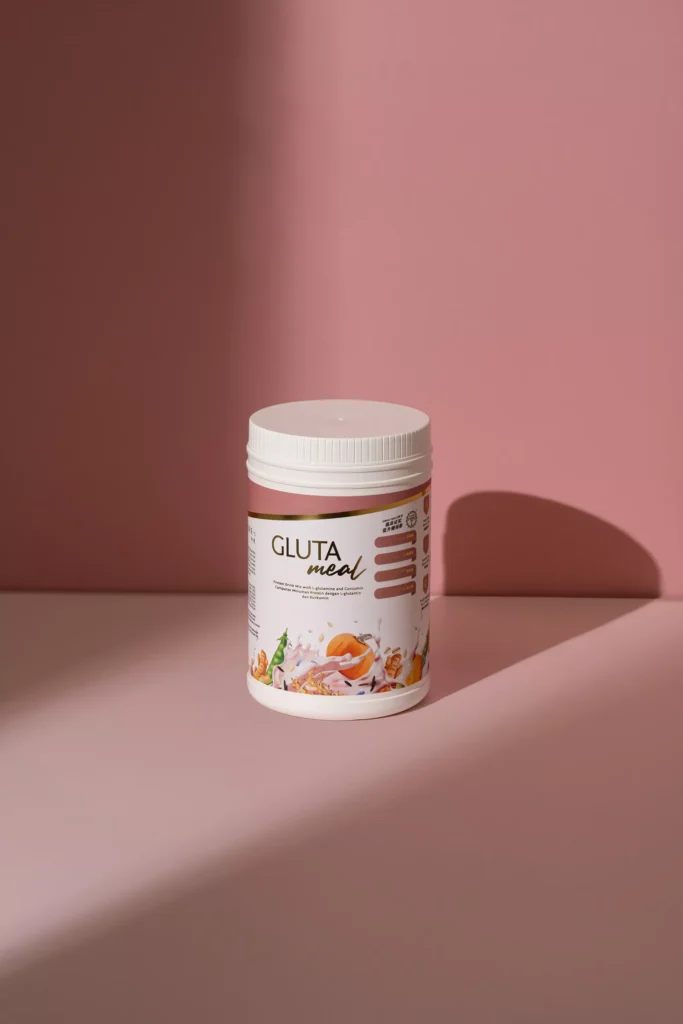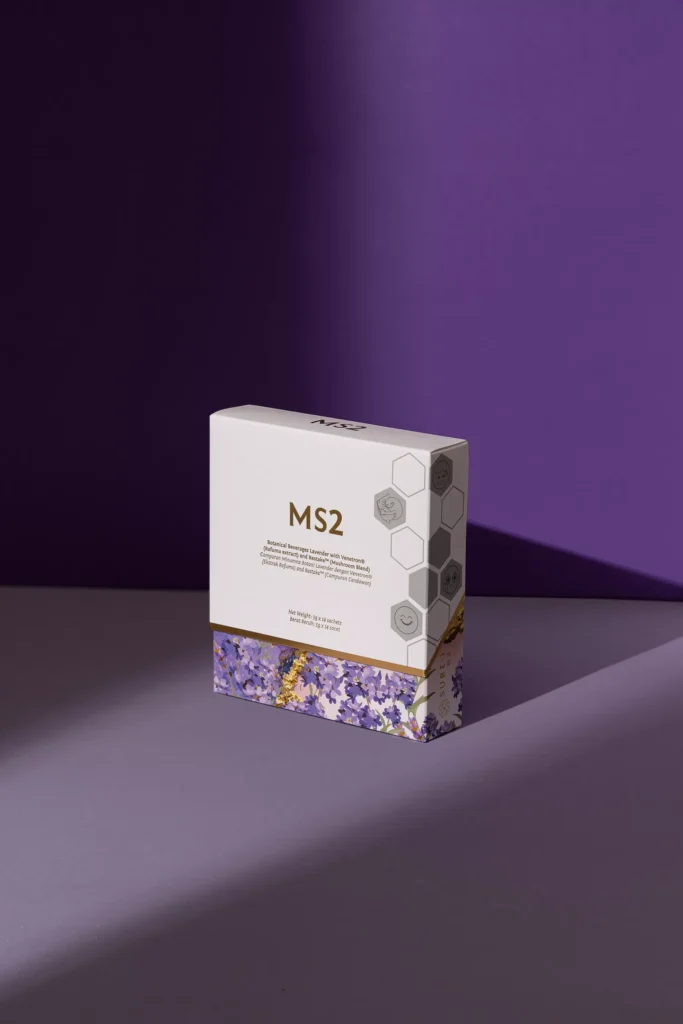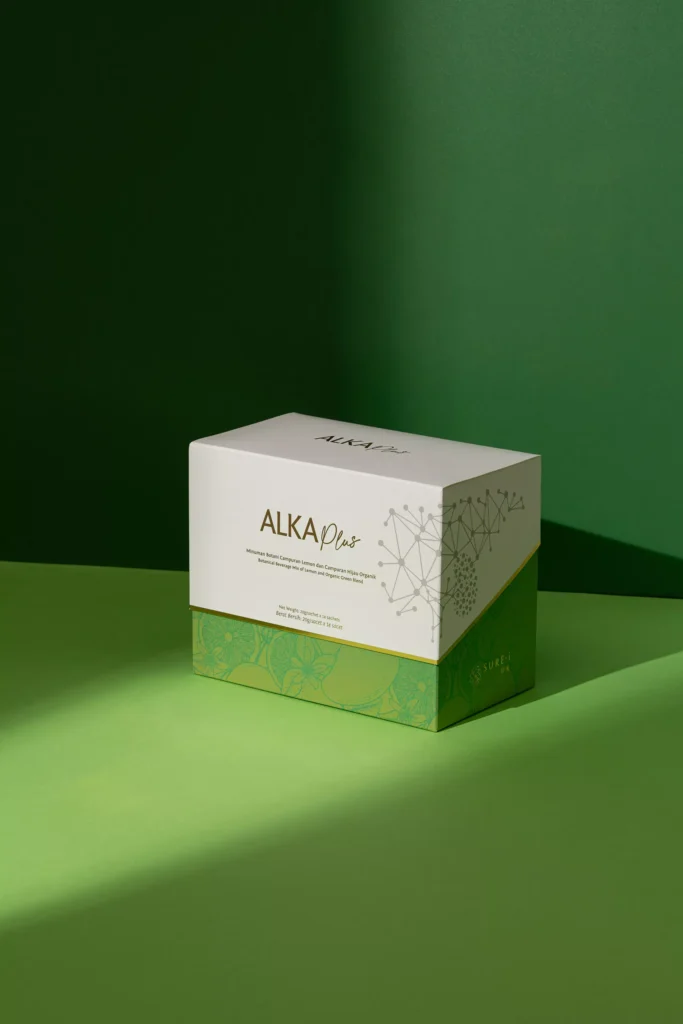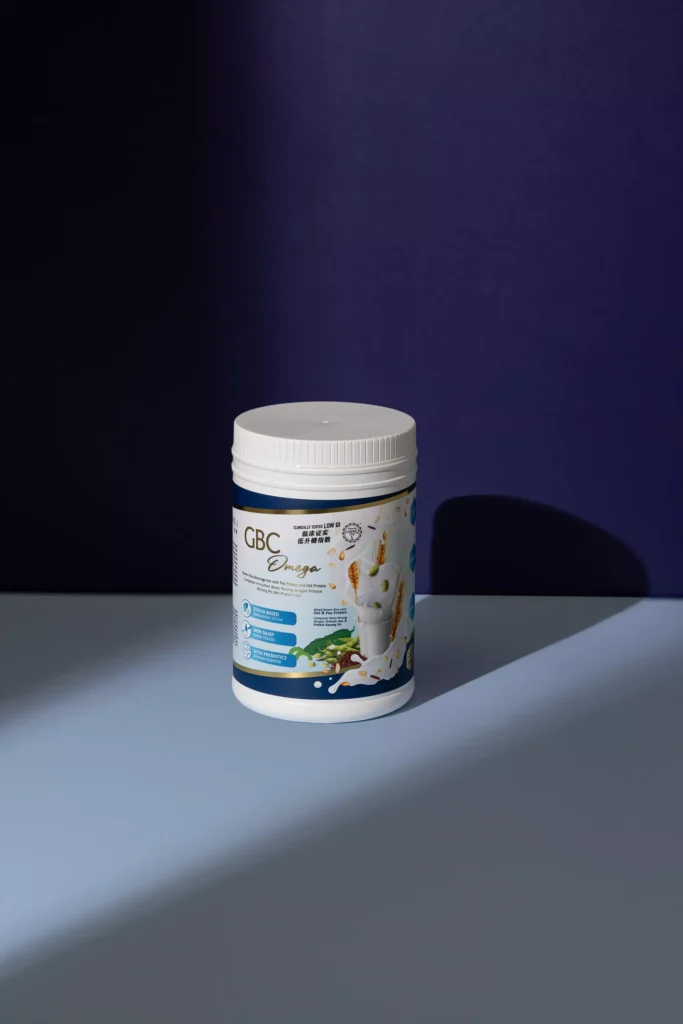
Description

Is your skin constantly red and itchy for no obvious reason?
Still can’t stop sneezing even after you’ve cleaned your house?
Stopped taking allergy medication to avoid side effects—only to find your allergies worsening?
Tried Western medicine, Traditional Chinese Medicine, and countless home remedies, yet nothing seems to work?
Do recurring allergies make you wonder if you’ll have to rely on medication for the rest of your life?
The more you worry about your allergies, the worse they seem to get.
Every time an allergy flare-up happens, we tend to blame it on external factors such as food, dust, pollen, or our surroundings.
Many people rely on antihistamines or creams to suppress the itching, sneezing, and irritation. But once the medication wears off, the symptoms often return.
The most frustrating part isn’t the allergy, but the feeling of not knowing what else you can do to overcome it.
If you’ve tried everything but your allergies keep coming back, the problem may not be a lack of effort in addressing them, but because you may have been addressing the wrong factors.
Keep reading to find out the cause of recurring allergies.
Why do allergies keep coming back?
It‘s not because of your external surroundings; it is because of an imbalance in your immune system.
To prevent recurring allergies, it is important to reduce exposure to allergens and also maintain your immune system balance, which is closely related to these 2 factors:
-
Reduced immune-system regulators
Your body has an important immune-system regulator called FOXP3, which helps balance your immune system and prevents reaction to harmless substances. Over time, health conditions such as chronic inflammation, oxidative stress, environmental exposure, and ageing may reduce FOXP3 effectiveness. As a result, your immune system may mistakenly identify harmless triggers such as dust, temperature changes, or food as health threats, leading to skin redness, eczema, allergic rhinitis, and other allergic reactions.
-
Gut microbiome imbalance
Around 60% of the body’s immune cells are in the gut. A healthy gut microbiome forms an effective intestinal barrier and balances immune system functions. When the gut microbiome is imbalanced, or the intestinal barrier is weakened, unwanted substances enter the body and affect the immune system, increasing the likelihood of recurring allergic reactions. This is why many people with skin or respiratory allergies also experience digestive discomfort.

4 Key Approaches To Repair The Gut, Strengthen Immunity & Reduce Recurring Allergies
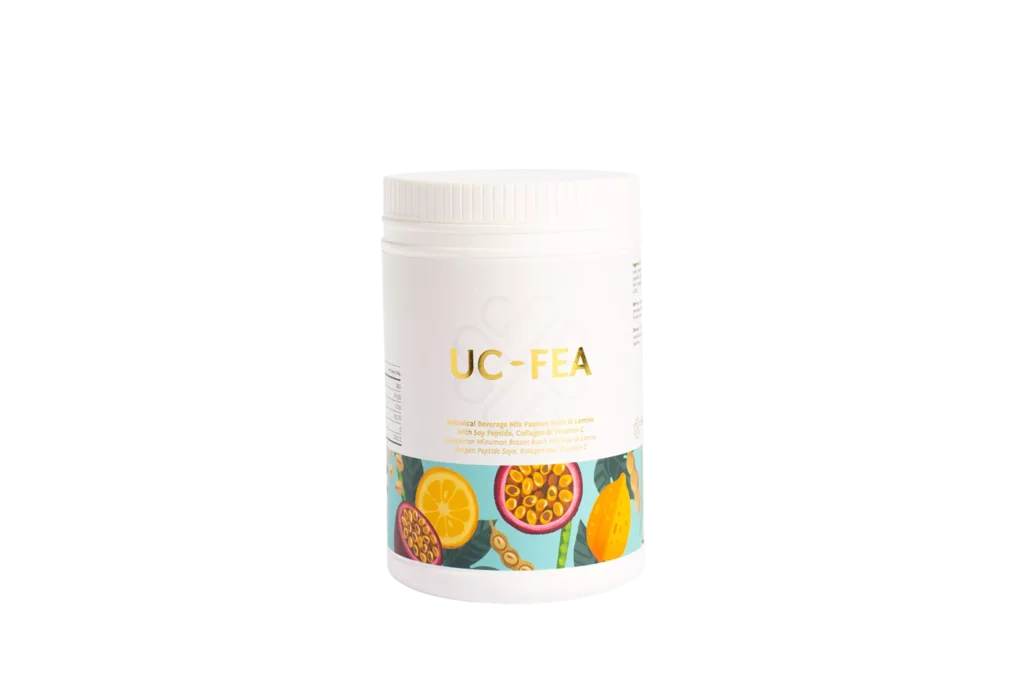
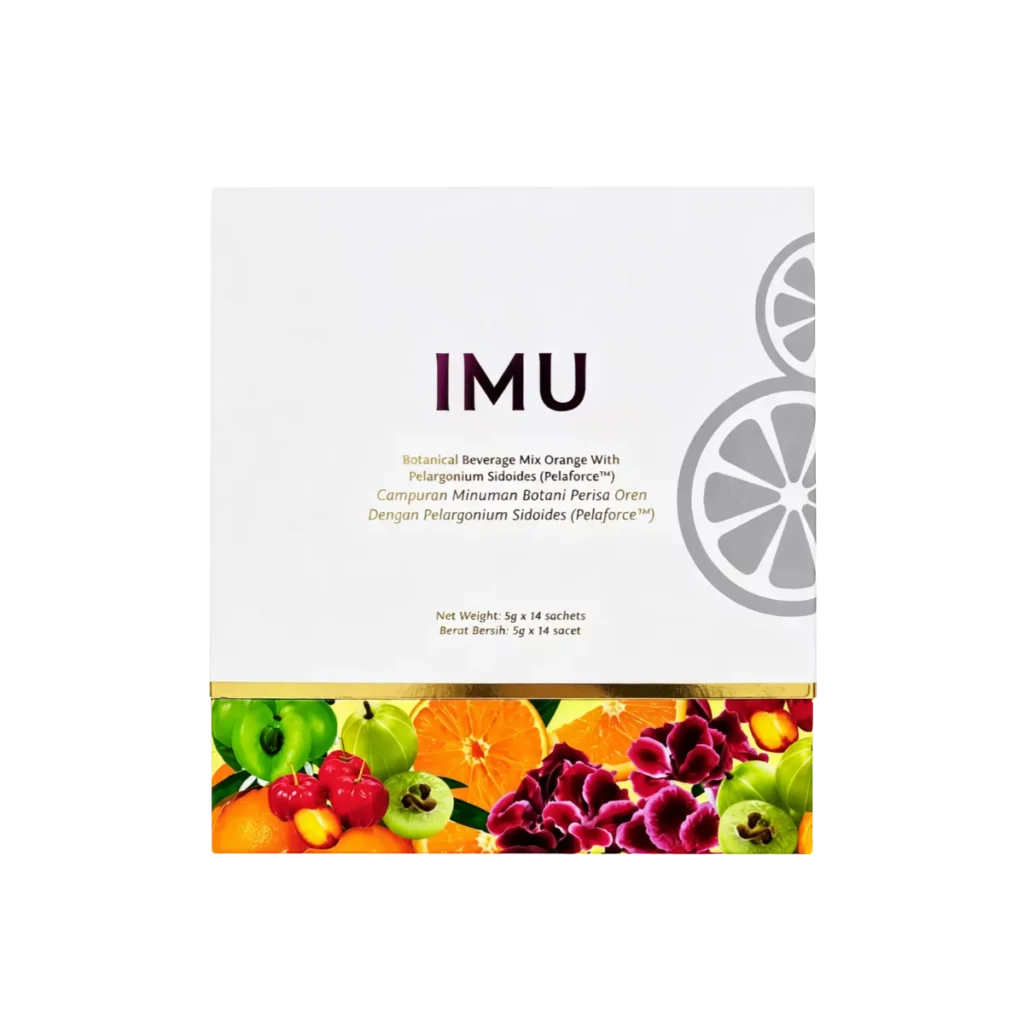
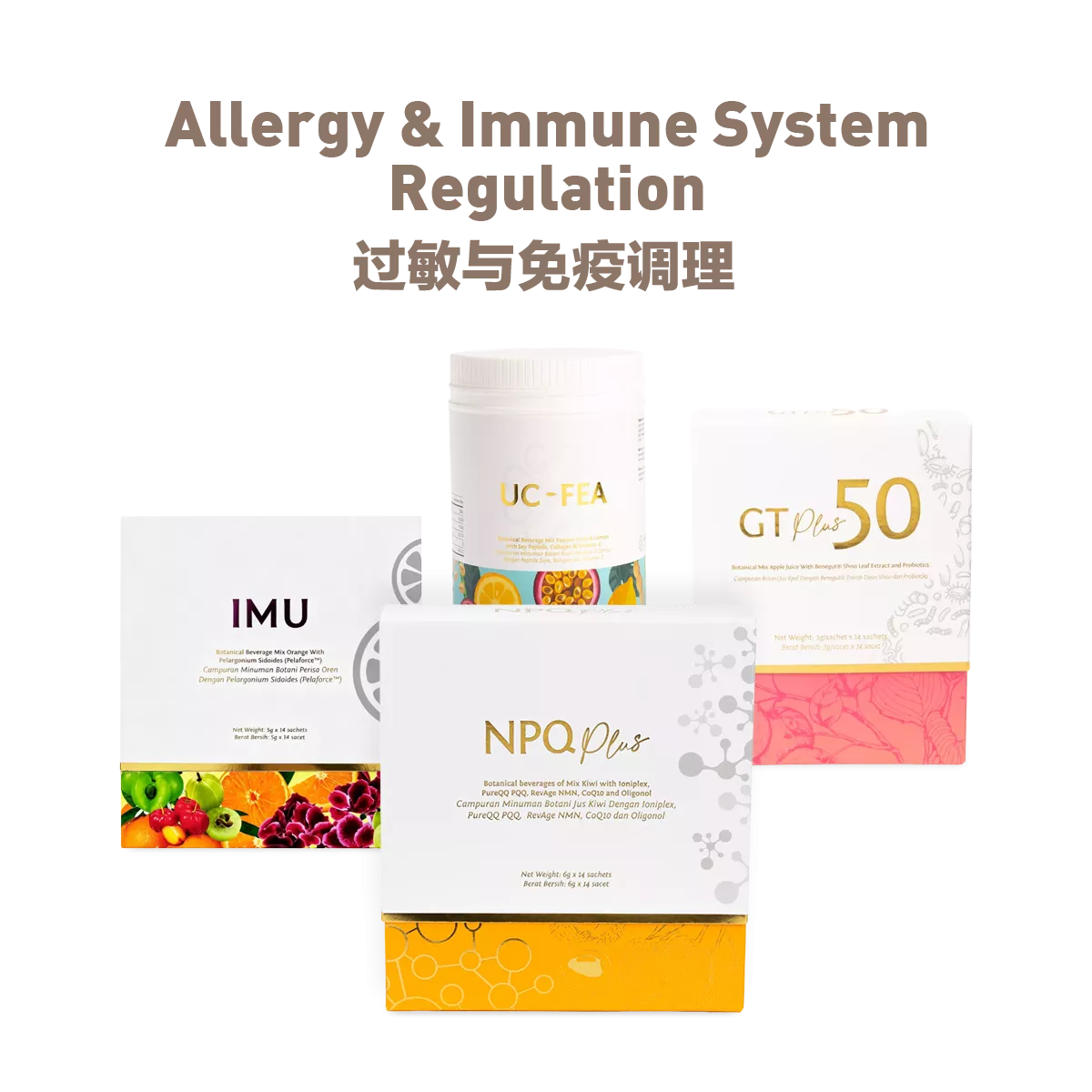
SURE-i Allergy & Immune System
Regulation Package
01. Skin Allergies
Basic
Skin Allergy Regulation Package
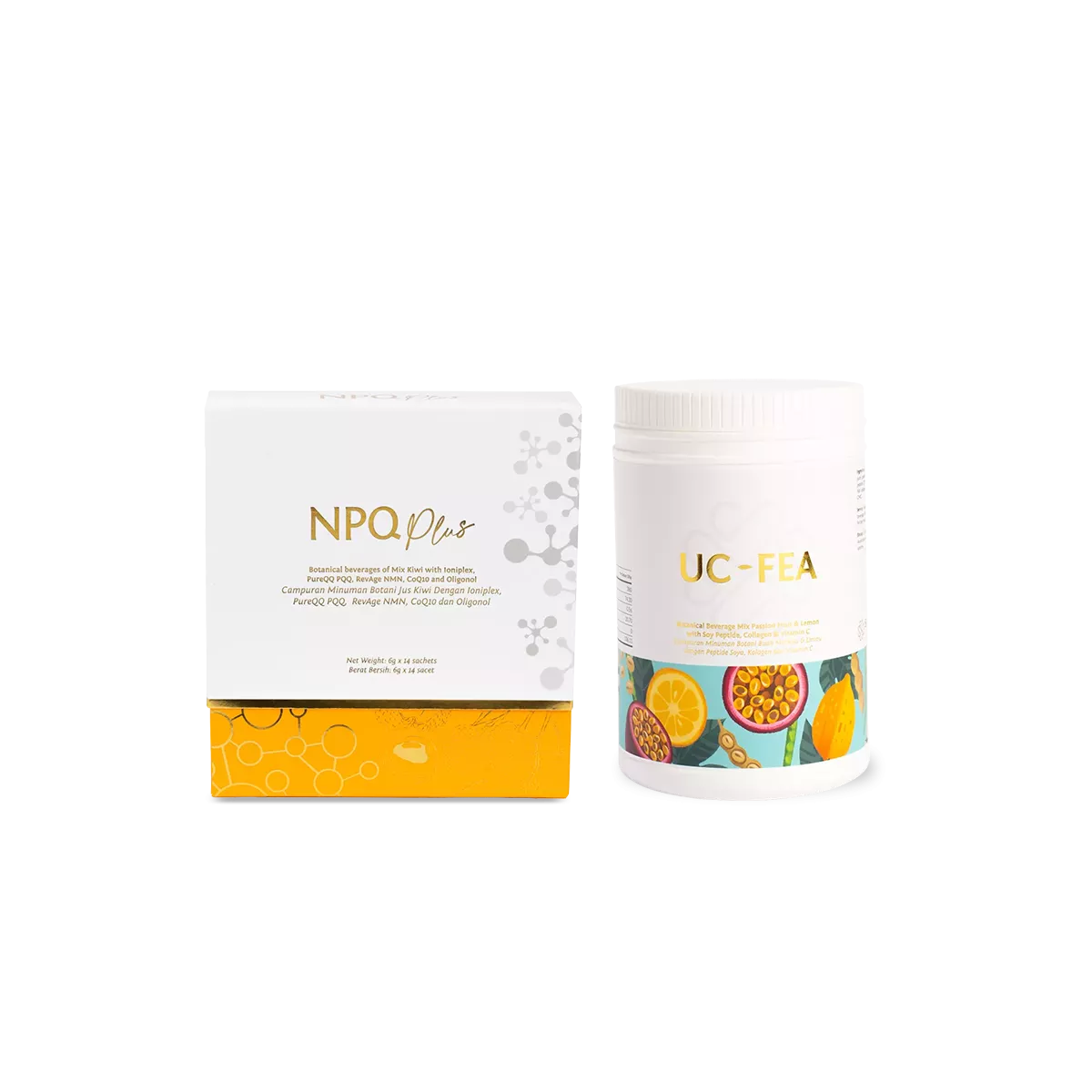
Package Includes:
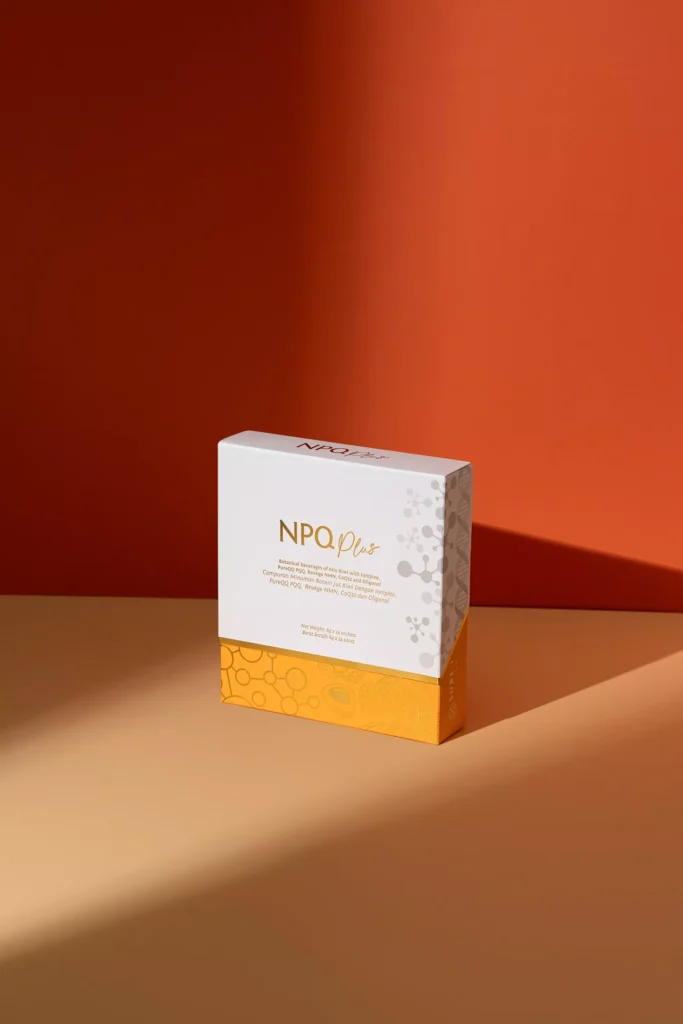
- NPQ Plus Advanced Cellular Restoration Formula
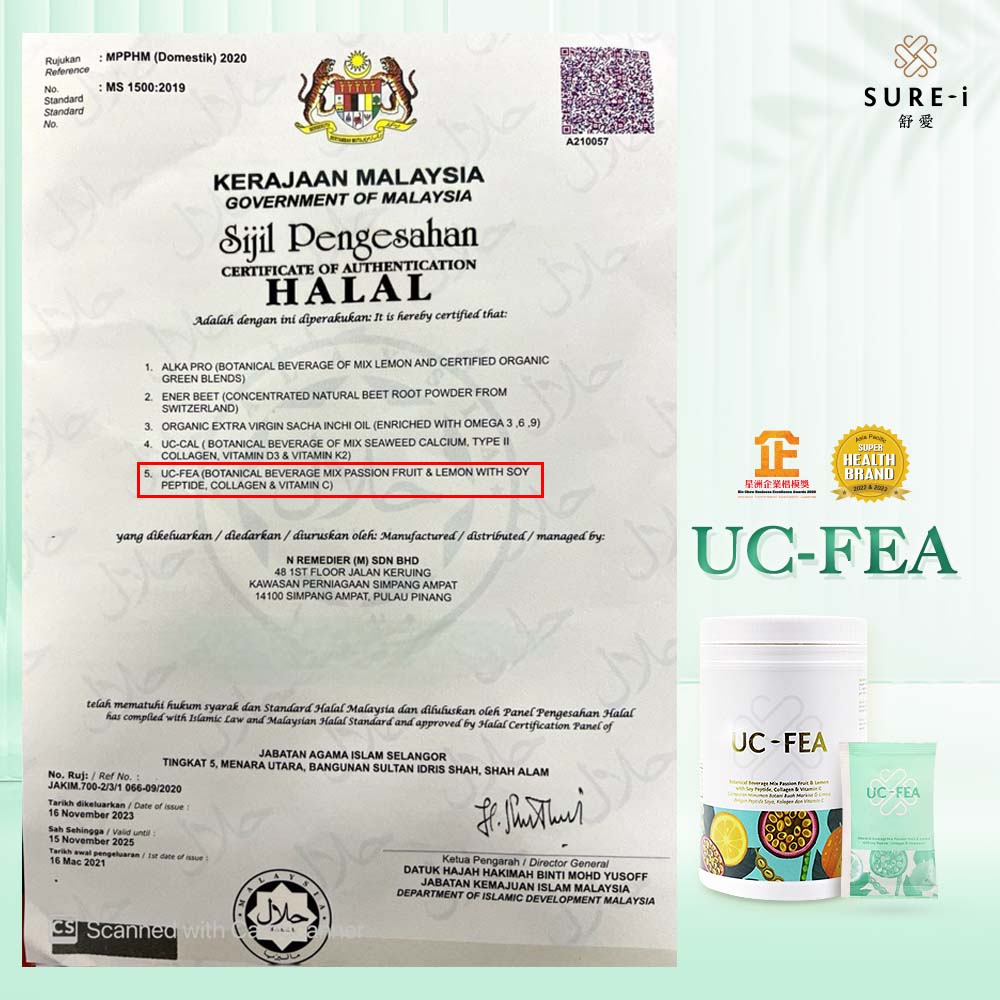
- UC-FEA
Suitable For:
- Individuals who frequently have dry, itchy, reddish or flaky skin
- Those who develop hives or skin rashes after consuming medications, alcohol, or seafood
- Individuals with mild to moderate eczema
- Those who have developed scars from excessive scratching caused by skin allergies
Ultimate
Skin Allergy Regulation Package
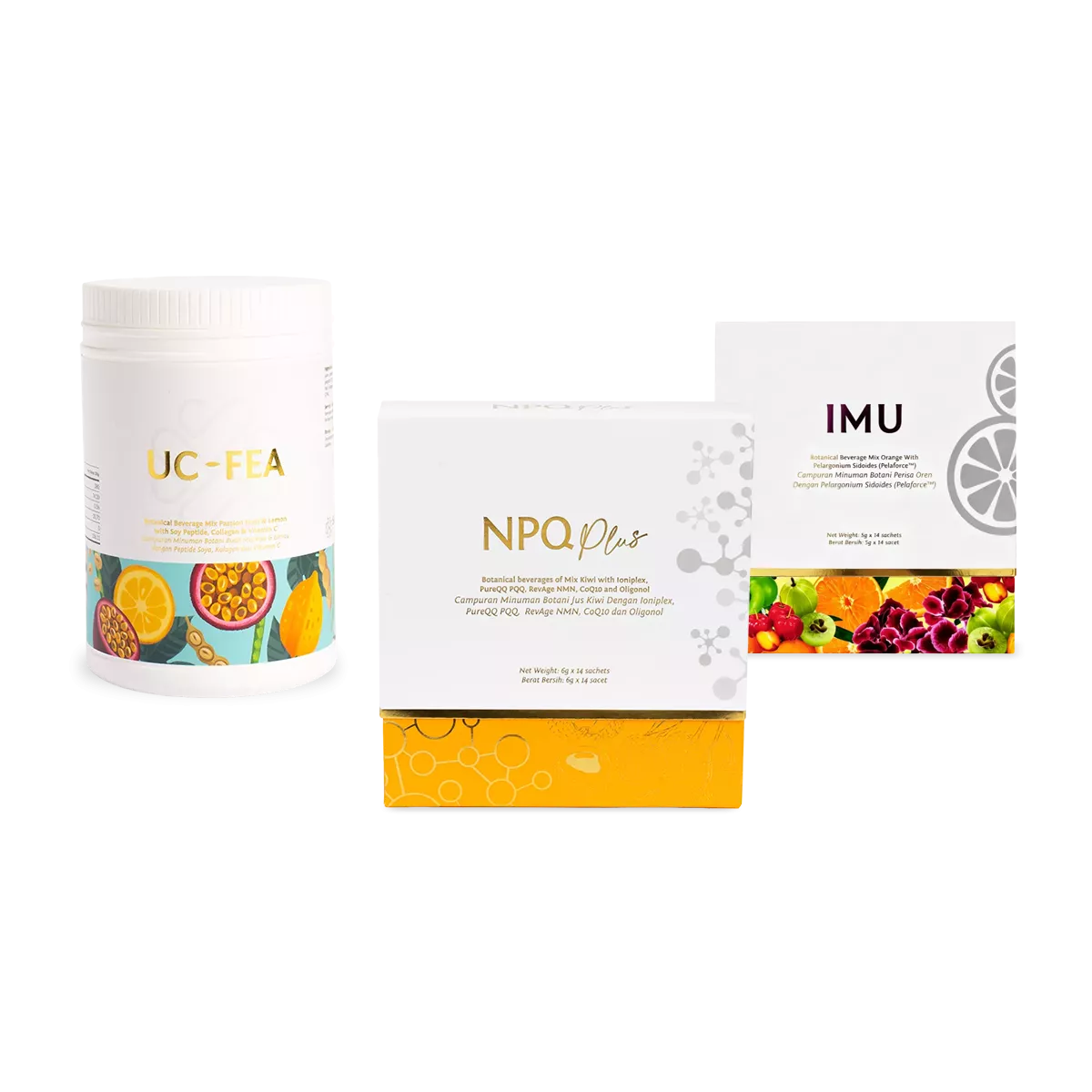
Package Includes:
- NPQ Plus Advanced Cellular Restoration Formula
- UC-FEA
- IMU
Suitable For:
- Individuals with cracked, itchy, or peeling skin that does not improve despite applying creams
- Those with recurring skin allergies that flare up when exposed to triggers
- Individuals with a weakened immune system who want to restore their health at the core
02. Nasal Allergies
Basic
Nasal Allergy Regulation Package
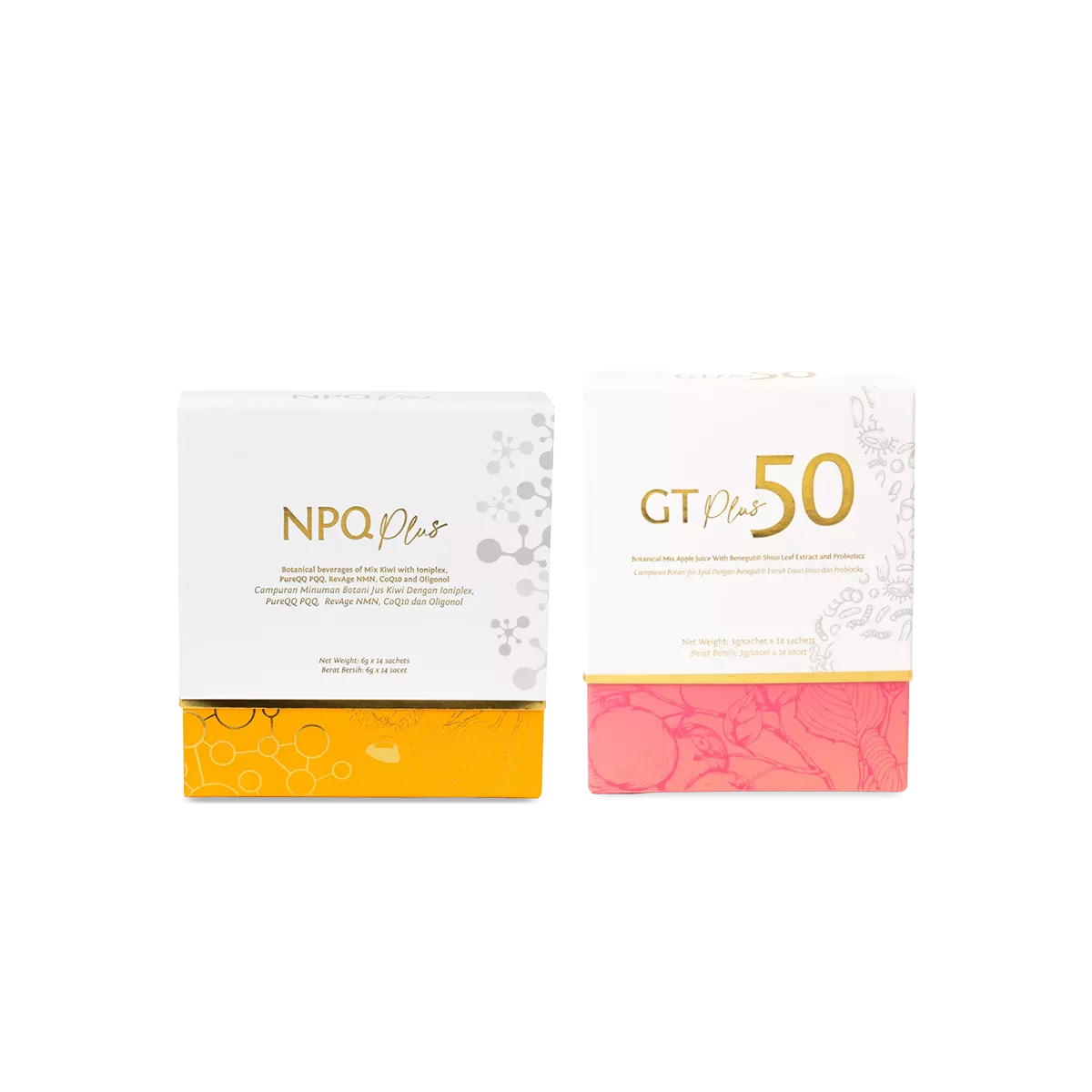
Package Includes:
- NPQ Plus Advanced Cellular Restoration Formula
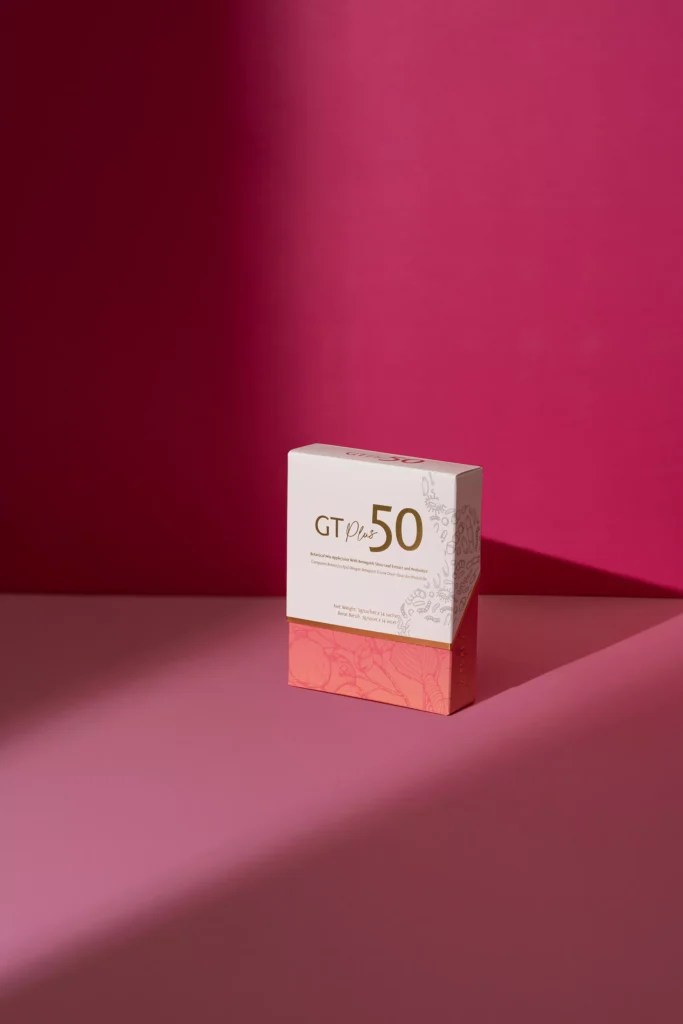
- GT Plus Digestive & Gut Health Formula
Suitable For:
- Individuals who frequently sneeze, have an itchy and runny nose, or experience nasal congestion
- Those who easily develop allergic reactions when exposed to cold air, dust, or pollen
- Individuals who experience bloating, indigestion, or irregular bowel movements
Ultimate
Nasal Allergy Regulation Package
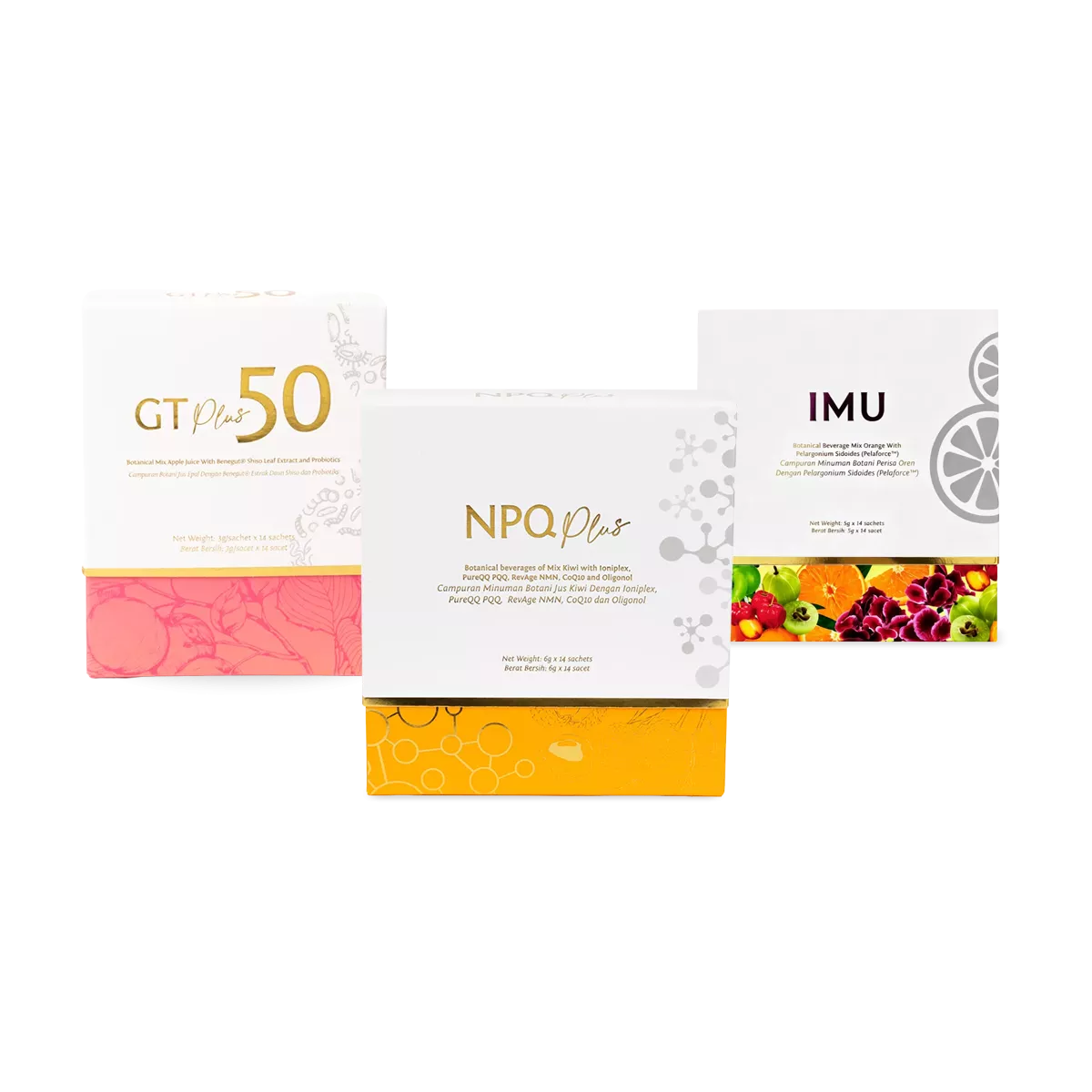
Package Includes:
- NPQ Plus Advanced Cellular Restoration Formula
- GT Plus Digestive & Gut Health Formula
- IMU
Suitable For:
- Individuals with recurring chronic nasal allergies that are difficult to manage
- Individuals whose allergy flare-ups are often followed by phlegm, coughing, or respiratory discomfort
- Individuals who frequently experience a runny nose or cough that worsens with weather changes or environmental triggers
- Those who want to improve gut health while strengthening their immune balance and reducing allergies
Unsure Which Package Is Best for You?
Send us your health screening report, and our health consultants will provide you with a FREE one-to-one consultation and personalised recommendations tailored to your health needs.
Real results from the customers who have consistently taken the SURE-i Allergy & Immune System Regulation Package
95%
of users reported a noticeable reduction in skin allergies.
92%
of users woke up in the morning with fewer sneezes and smoother respiration.
85%
of users are less likely to develop allergy symptoms when exposed to cold weather or dust.
88%
of users reported noticeable improvements in digestive sensitivity and gut health.
Recommended Usage
Consume before breakfast (on an empty stomach)
- NPQ Plus: 1 sachet per serving
- GT Plus: 1 sachet per serving
- Mix the product with approximately 250 ml of room-temperature water to consume.
Consume as a meal replacement
- NPQ Plus: 1 sachet per serving
- GT Plus: 1 sachet per serving
- IMU: 1 sachet per serving
- UC-FEA:2 scoops per serving
Ingredients
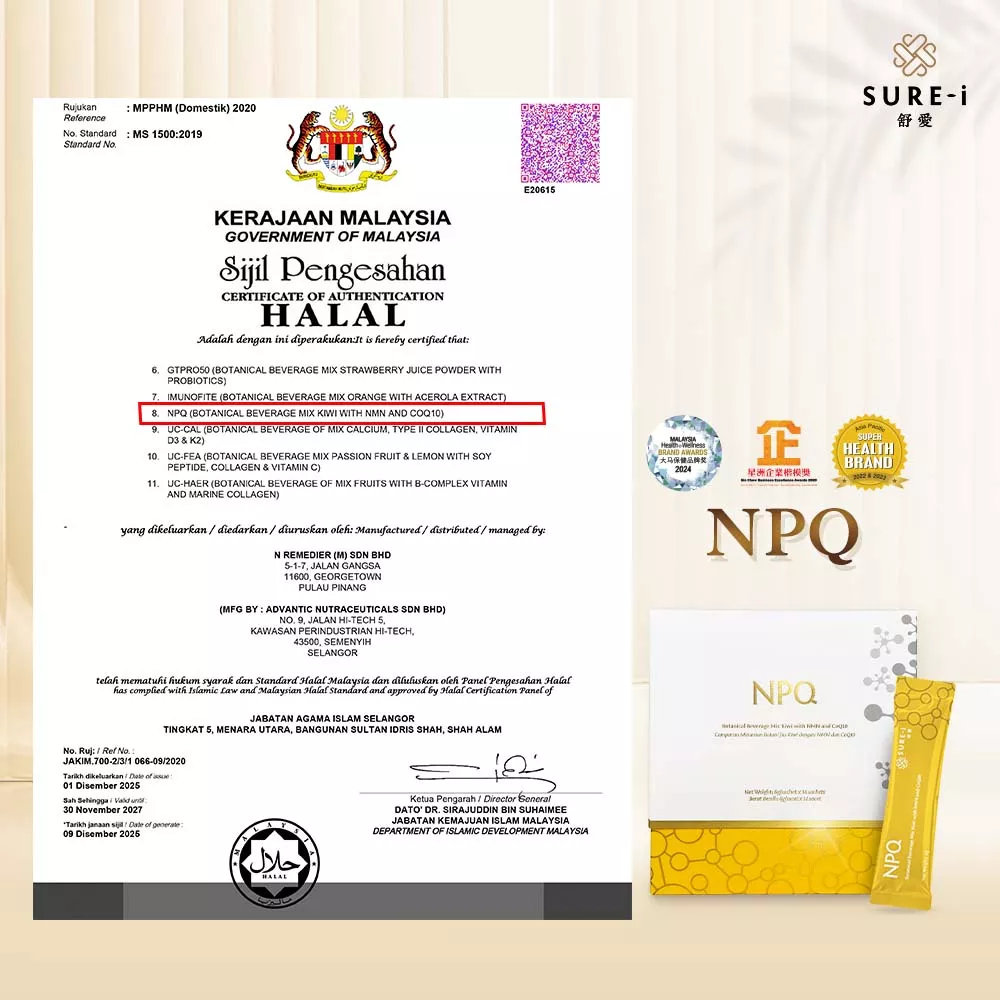
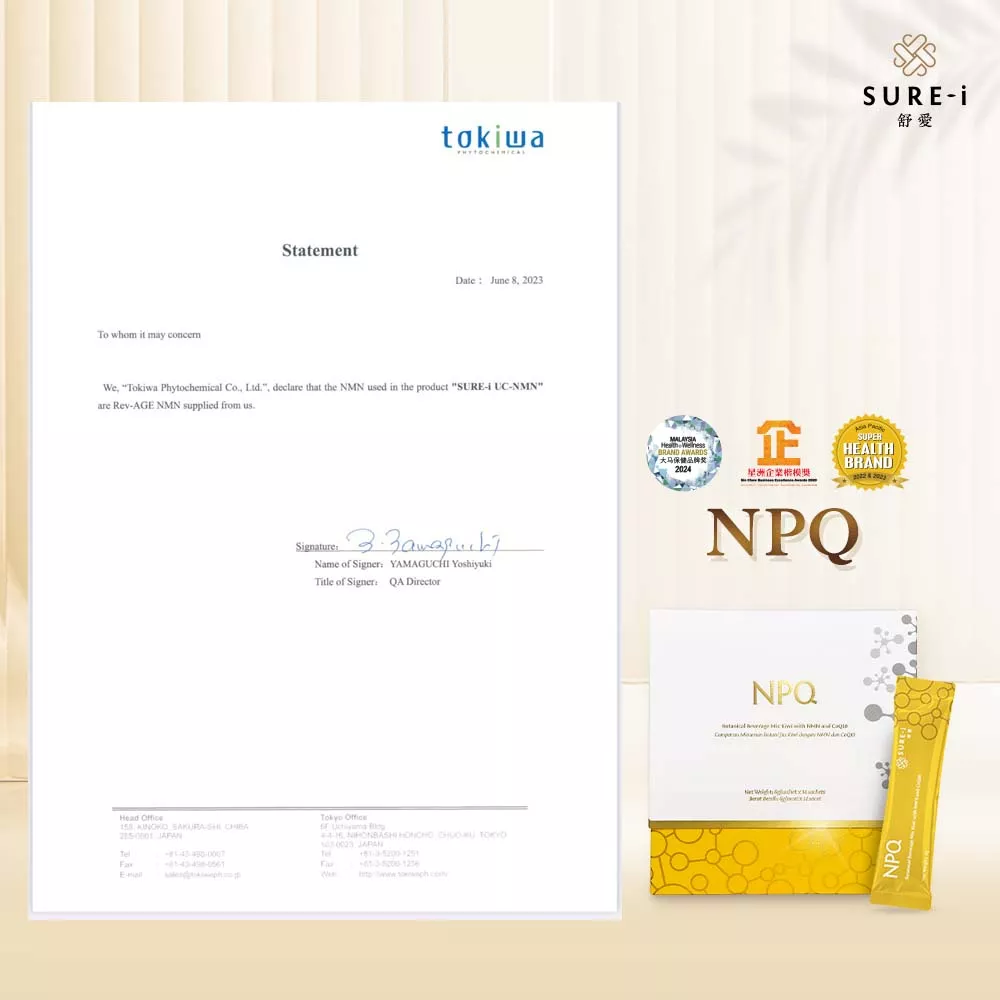
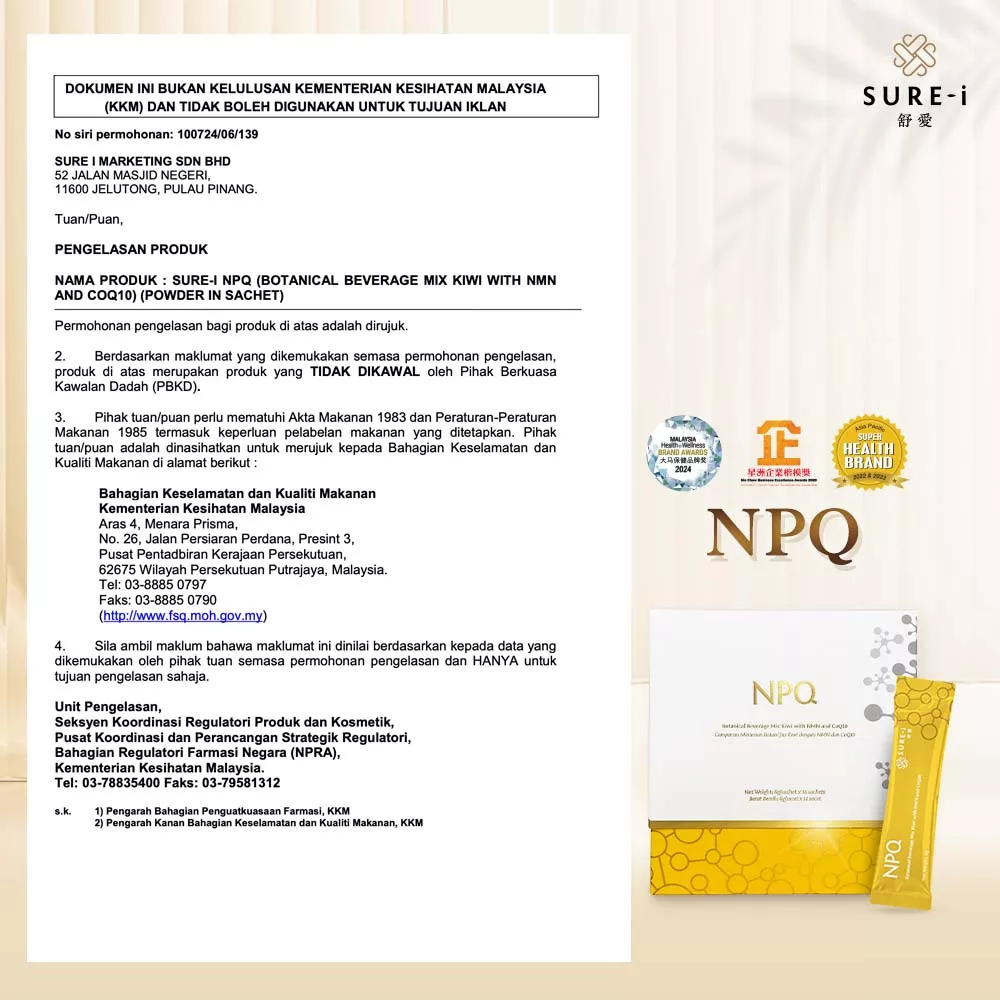
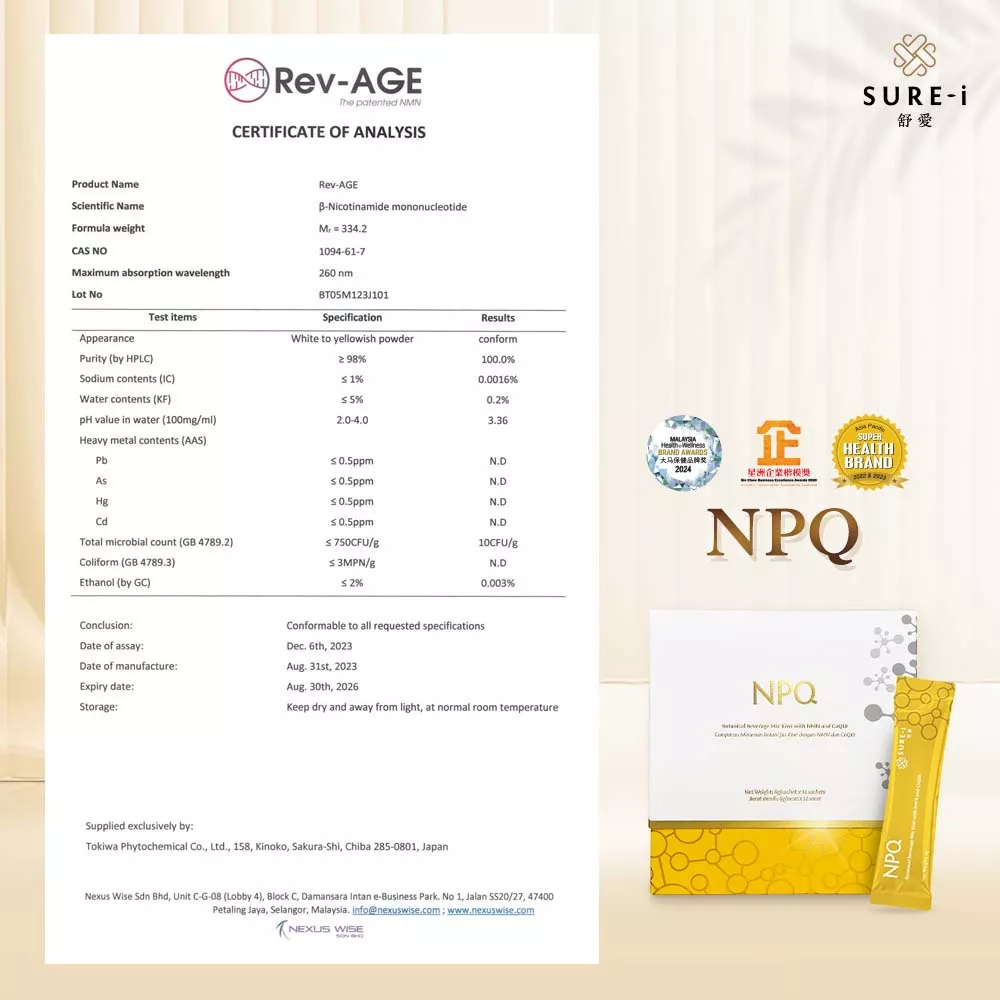
- NPQ Plus: Beta-Nicotinamide Mononucleotide (NMN), Coenzyme Q10 (CoQ10), Pyrroloquinoline Quinone (PureQQ), Ioniplex® Trace Mineral Complex, Oligonol® (Low-Molecular-Weight Lychee Polyphenols).
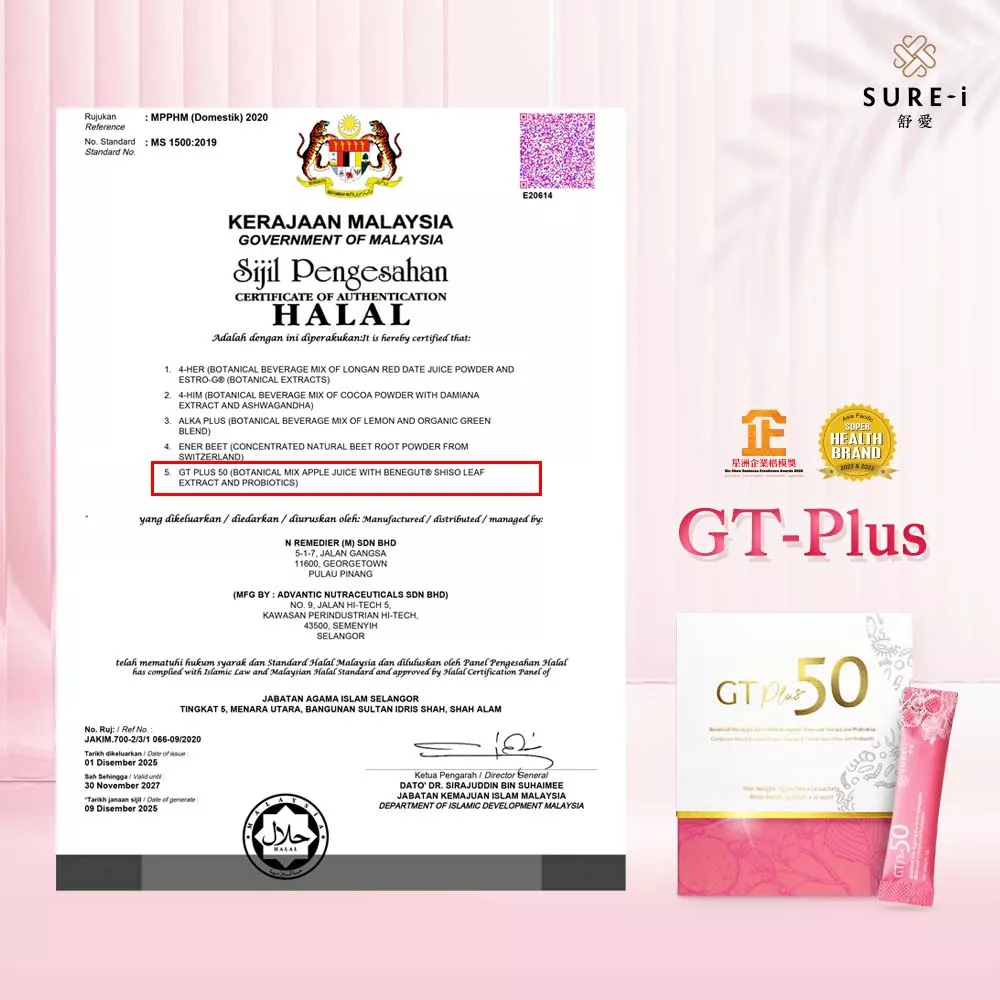
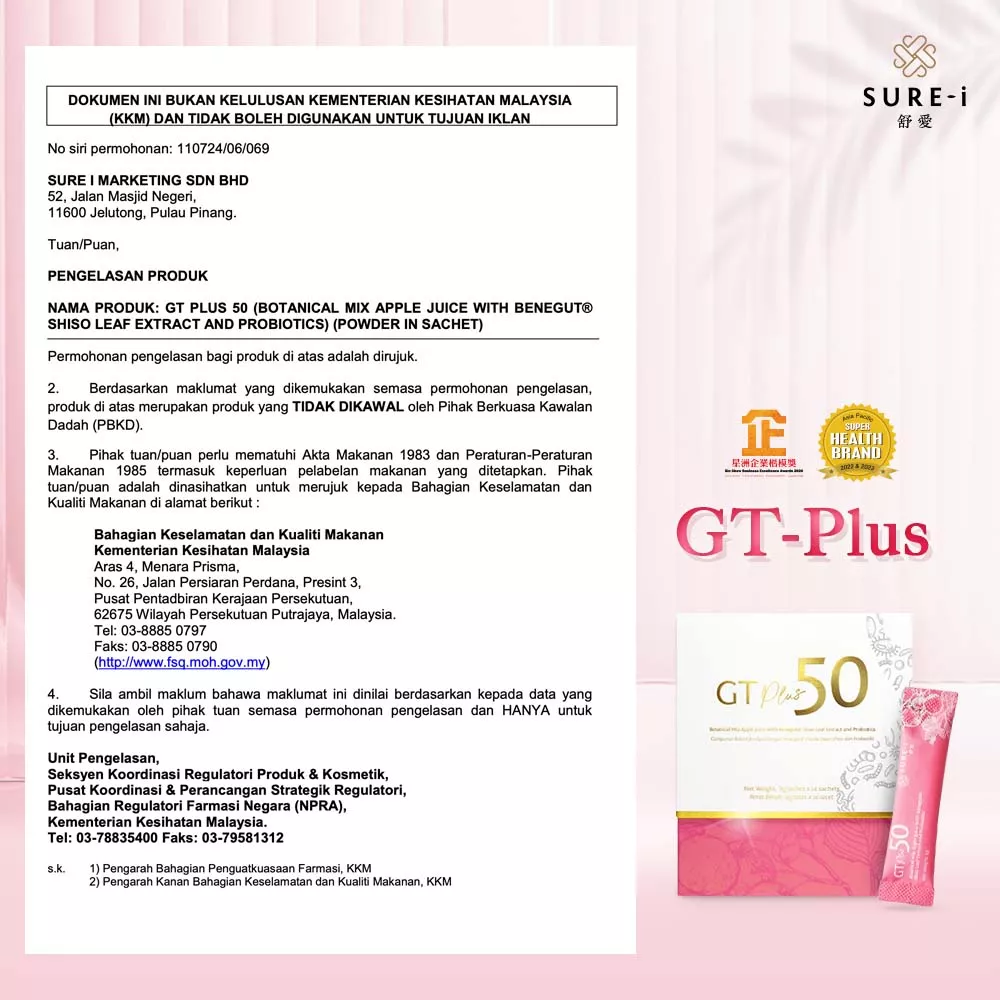
- GT Plus: Benegut® Patented Perilla Extract, AB-Kefir® Functional Probiotic Blend, Fresh Apple Juice Powder, Isomalto-oligosaccharide (IMO), Inulin, Xylitol.
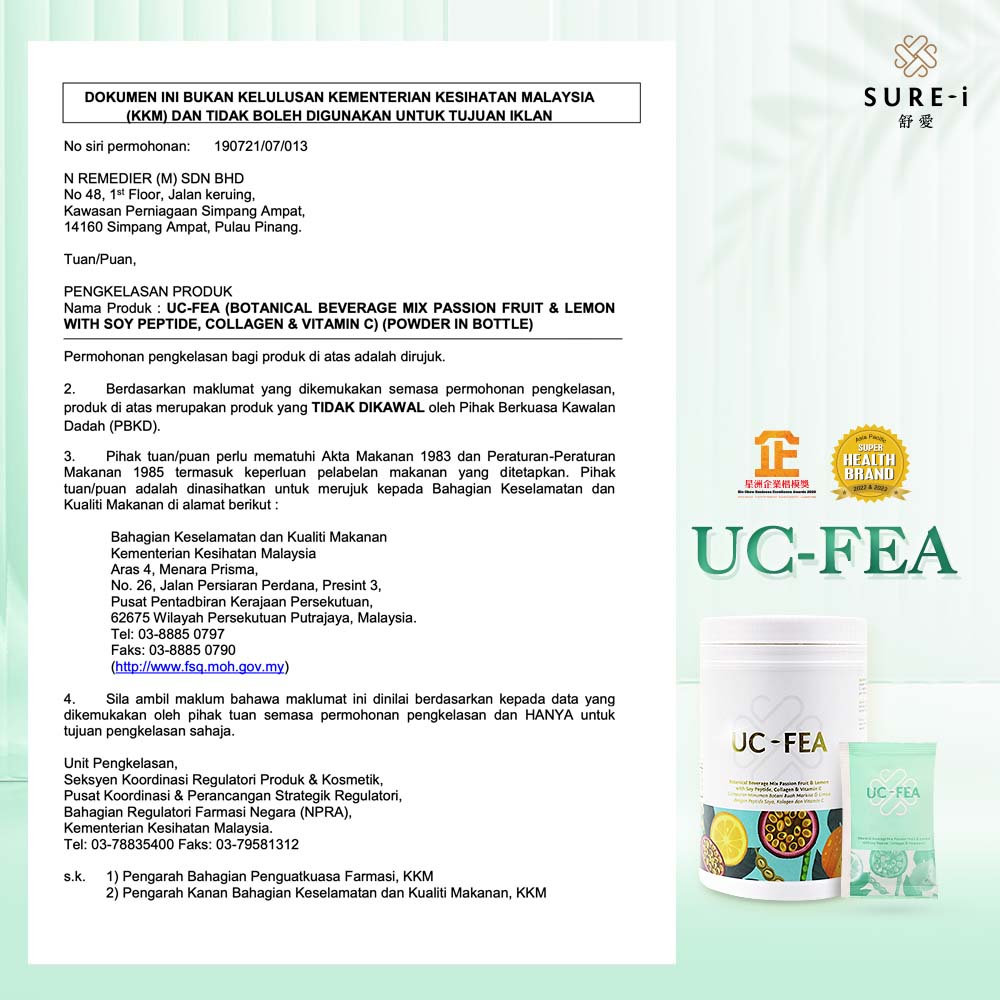
- UC-FEA: Soy Peptides, Cod Fish Collagen, L-Arginine, L-Cysteine, Vitamin C, Passion Fruit, Lemon Juice Powder, Stevia.
- IMU: Natural Vitamin C, Indian Gooseberry (Amla), Beta-Carotene, Pelaforce® (Pelargonium Root Extract), Acerola Cherry

Frequently Asked Questions About SURE-i Allergy & Immune System Regulation Package
1. What is the SURE-i Allergy & Immune System Regulation Package and who is it suitable for?
The SURE-i Allergy & Immune System Regulation Package is specially designed for individuals with skin and nasal allergies. It manages allergies through four key approaches: cellular restoration, gut health restoration, barrier repair, and immune defence. It is ideal for people with recurring allergies, who are concerned about the long-term use of steroids, or want to prevent allergies at the core instead of just reducing the symptoms.
2. How is this package different from conventional allergy medications?
Conventional allergy medications and steroids only help to relieve allergy symptoms, but allergy flare-ups often recur once the medication is stopped. The SURE-i Allergy & Immune System Regulation Package targets the underlying causes of recurring allergies, such as chronic cellular inflammation, immune system imbalance, and poor gut health. By strengthening the body’s natural immune regulation, it aims to deliver longer-lasting improvements rather than just providing temporary symptom relief.
3. What’s the difference between the Skin Allergy and Nasal Allergy packages?
Both packages share the same foundation of addressing the root causes of allergies but are tailored to different needs.
The Skin Allergy Package includes UC-FEA to help repair and strengthen the skin barrier, while the Nasal Allergy Package includes GT Plus to support gut health and immune system balance. Both Ultimate Packages also include IMU to strengthen mucosal immunity and strengthen the body’s natural defence against viruses and environmental irritants.
4. Can I take this package while using steroid creams or allergy medication?
Yes. The SURE-i Allergy & Immune System Regulation Package is made with natural ingredients that are designed to complement, not interfere with, conventional medications. We recommend informing your healthcare professional before use to ensure that you consume it effectively.
5. How long does it take to see results?
Results vary depending on your personal health conditions. Some users notice improved skin conditions within the first week. Most users begin to experience fewer allergy symptoms after 4 to 8 weeks of consistent use, while broader improvements in immune health are typically seen within 2 to 3 months. As with any nutritional package, consistent nutritional supplementation is more important than expecting instant results.
6. Should I choose the Basic Package or the Ultimate Package?
If your allergy symptoms are relatively mild or you’re just starting to manage allergies, the Basic Package is a good start. If your allergies are more severe and recur often, or are accompanied by low immunity or frequent illnesses, the Ultimate Package, which includes IMU, provides more comprehensive immune support. If you’re unsure which option is right for you, simply WhatsApp our health consultants for personalised advice.
7. I have both skin allergies and nasal allergies. Which package should I choose?
We recommend contacting our health consultants via WhatsApp to ask for personalised advice. Our consultants will recommend the most suitable package and provide personalised guidance based on your personal health conditions and your health needs.
8. Is this package suitable for children?
Yes, but we recommend you contact our health consultants first to understand your child’s health conditions, and we’ll recommend the most suitable package based on their needs.
9. Do I have to continue consuming the package after my allergy symptoms improve?
Yes. Even if your symptoms have improved, it does not necessarily mean that the underlying causes have been fully resolved. Continue consuming the supplement package to improve immune system balance and prevent allergy flare-ups when exposed to environmental triggers.
10. Can this supplement package improve my hereditary allergies?
Genetics can increase your susceptibility to allergies, but factors such as cellular health, gut microbiome balance, and immune regulation are influenced by lifestyle and nutrition and can be improved over time. The SURE-i Allergy & Immune System Regulation Package focuses on improving these non-hereditary factors to help individuals with hereditary allergies build a stronger and more balanced immune system.